.
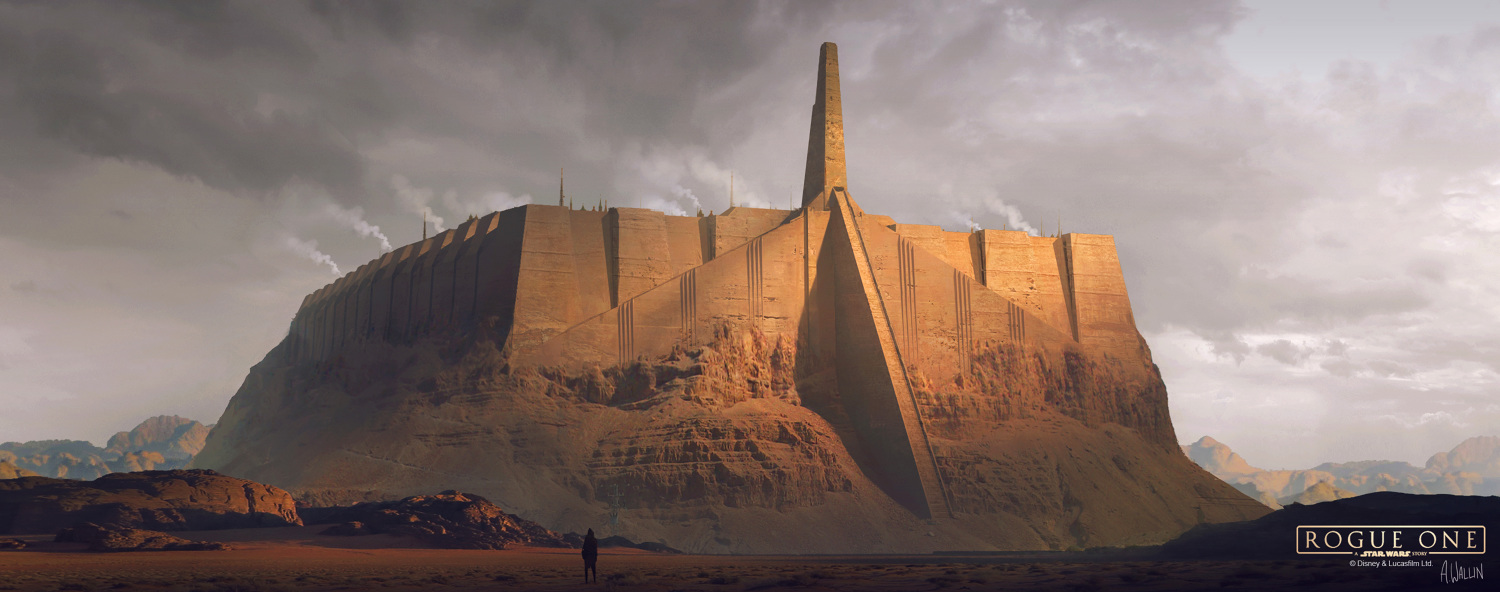
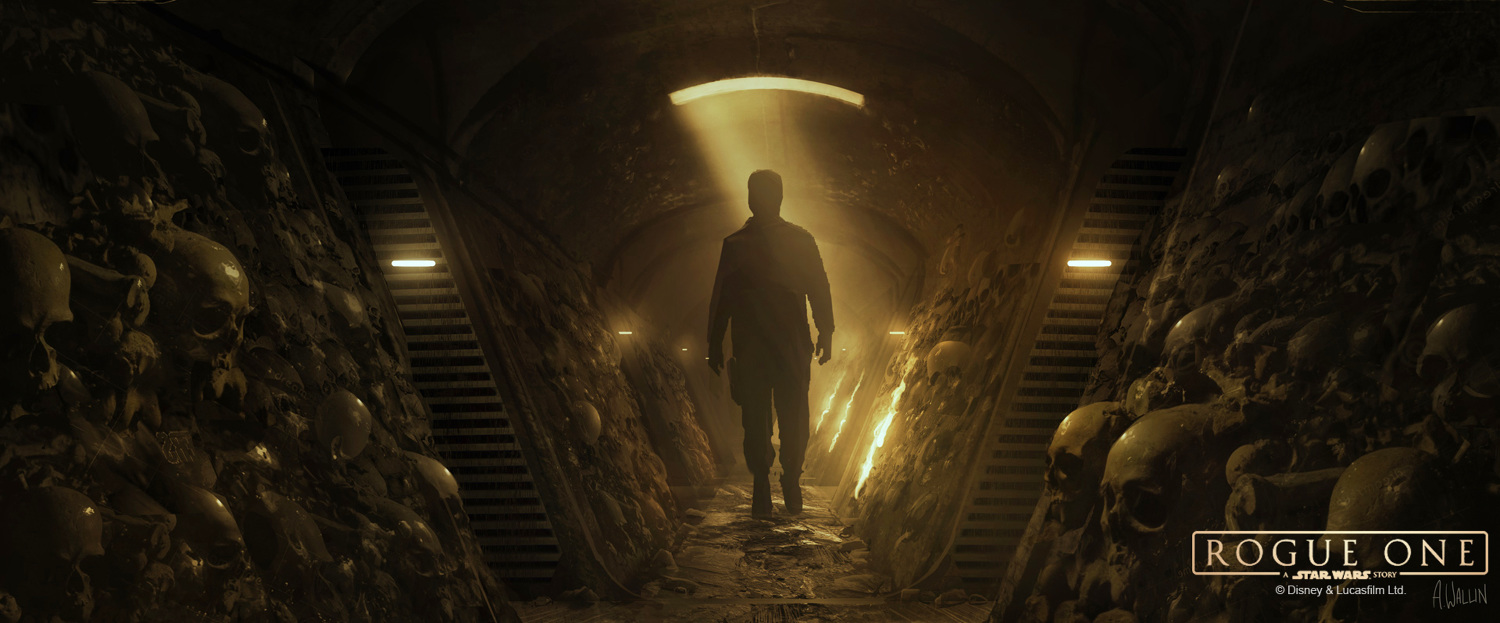
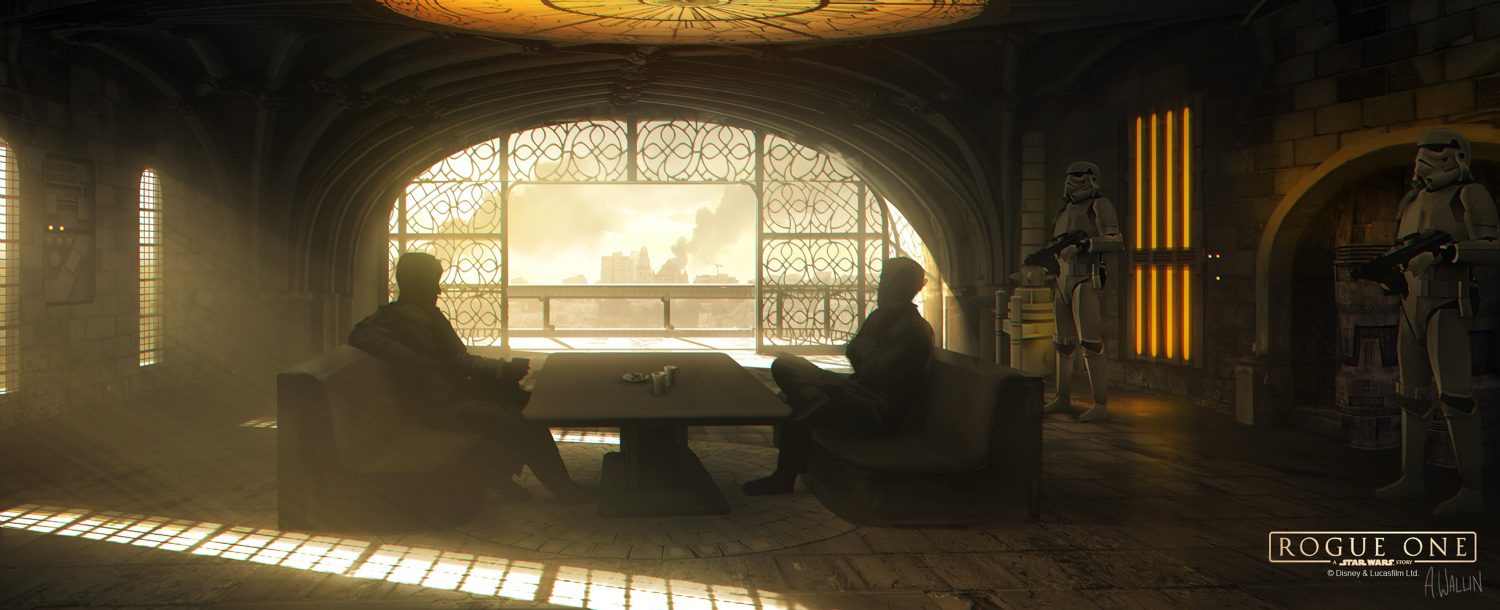
concept artist Andree Wallin…. http://andreewallin.com/Star-Wars-Rogue-One
.
.

.

.

.
.

.
.
.
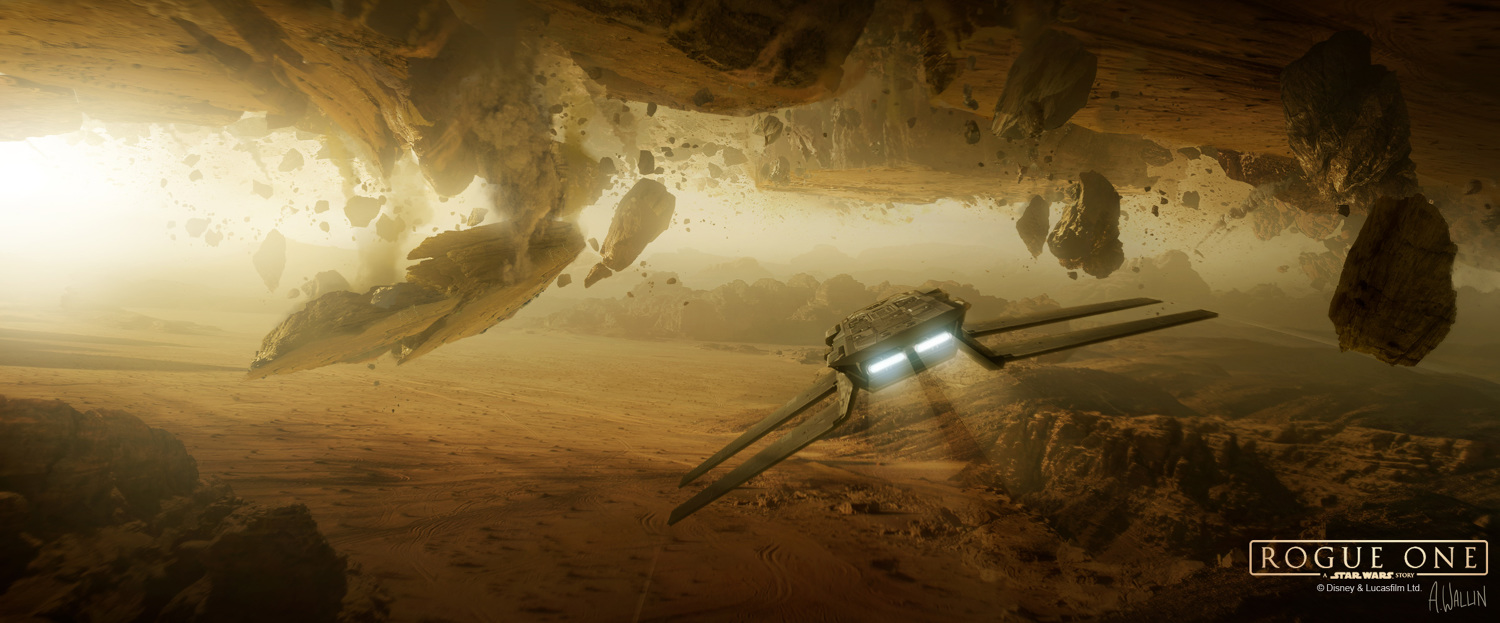
.
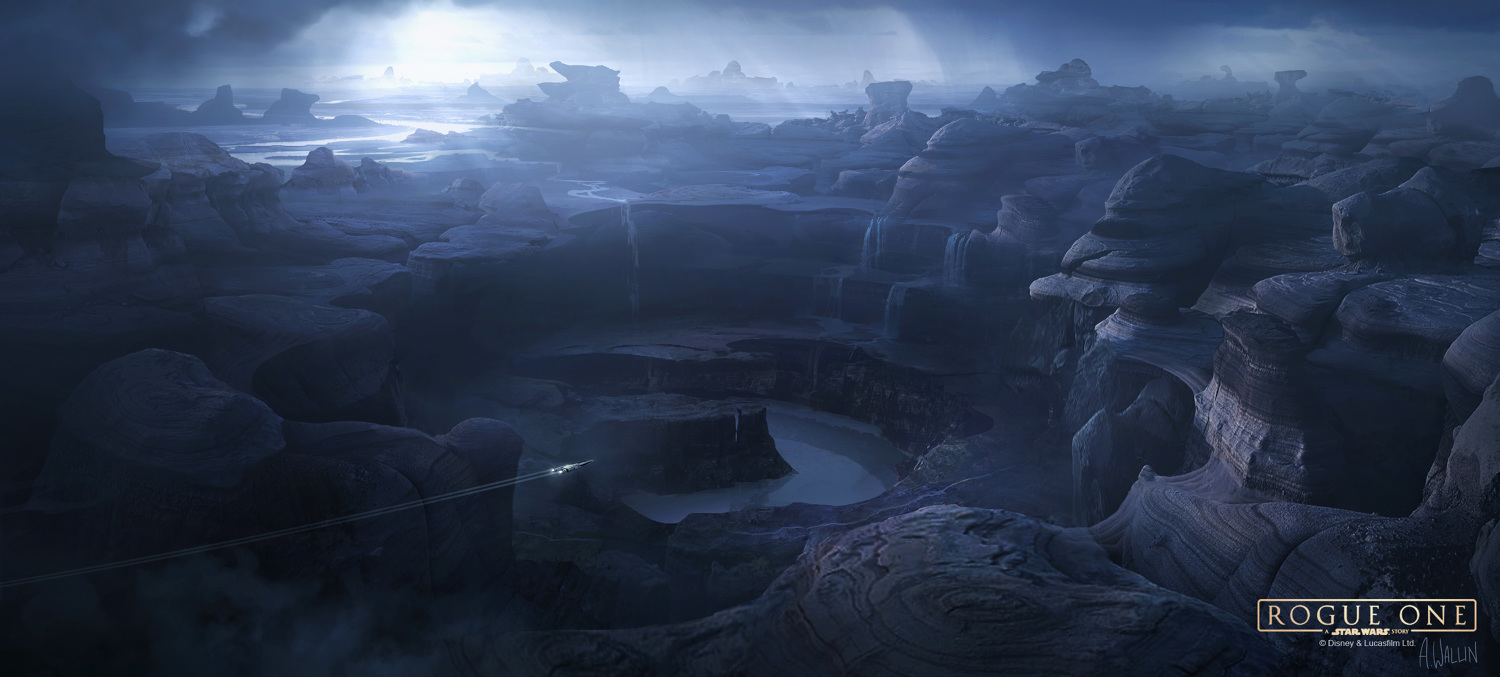
.

.

.
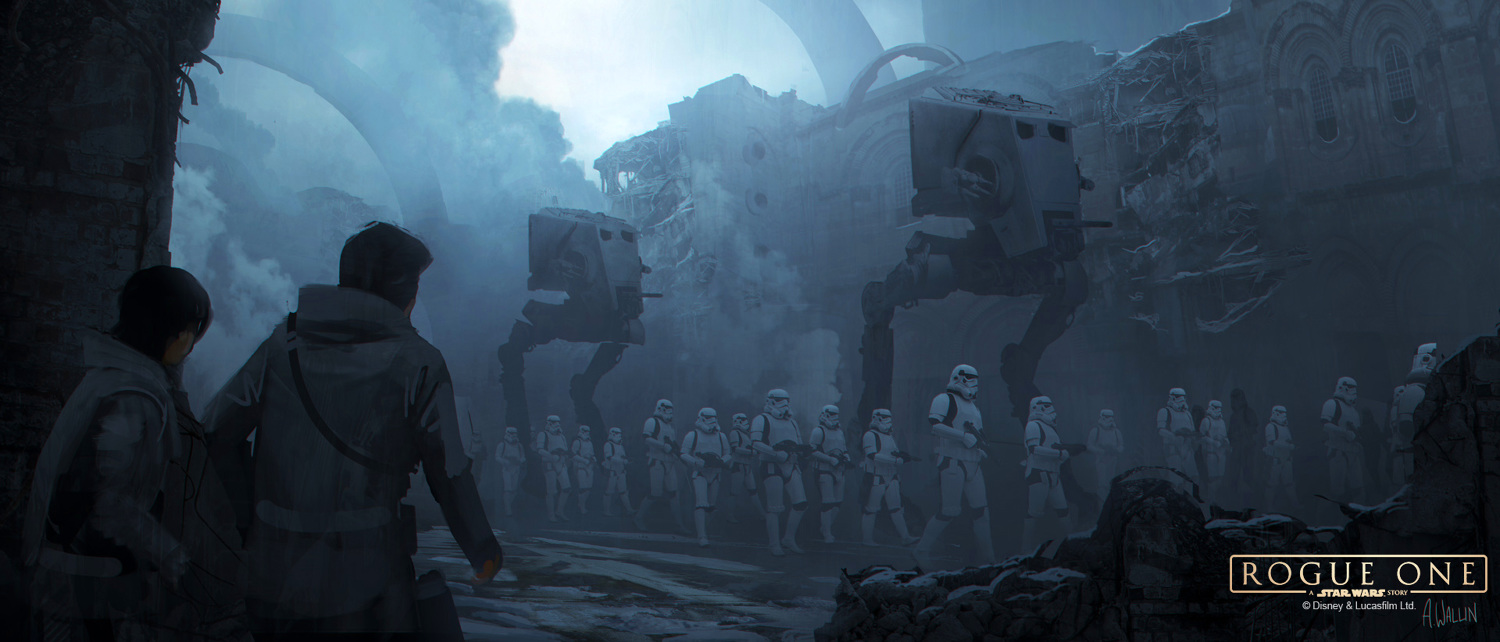
.
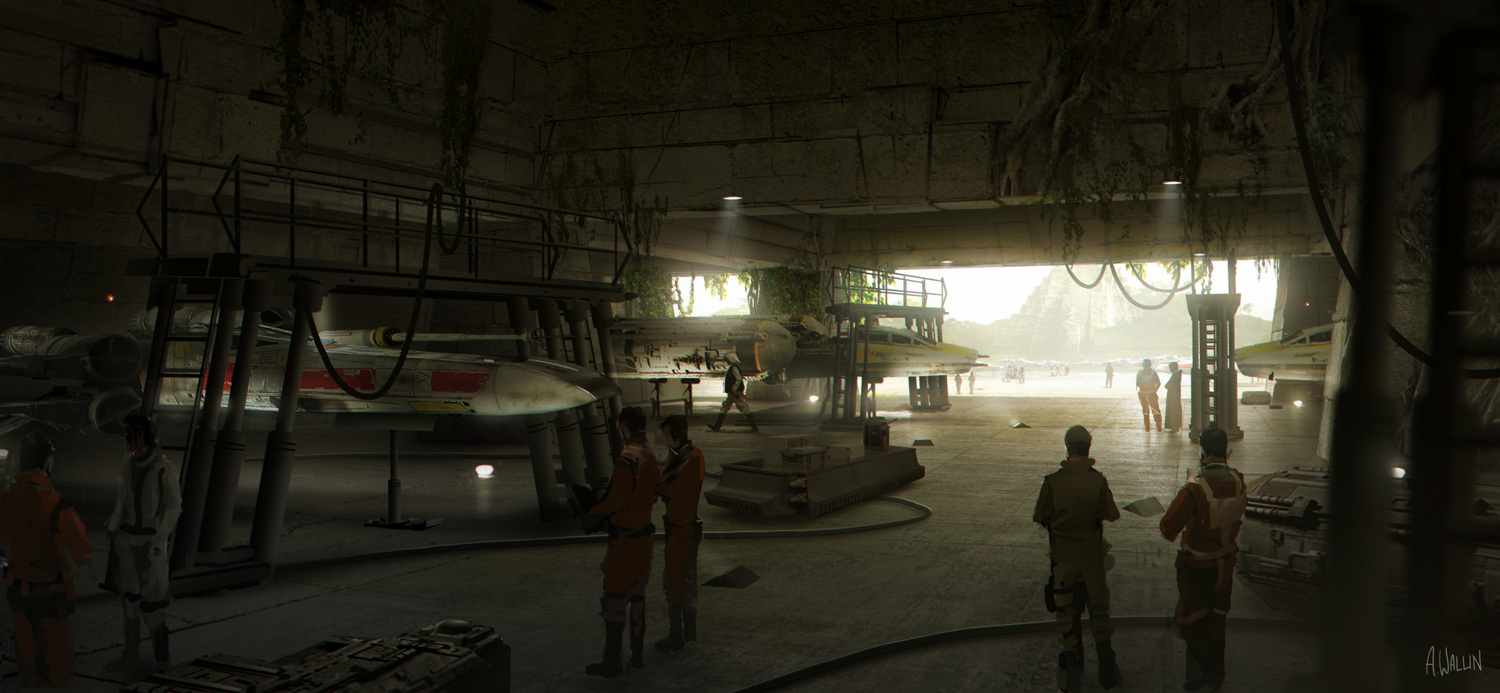

.
concept artist Andree Wallin…. http://andreewallin.com/Star-Wars-Rogue-One
.
.
.
.
.
.
.
.
.
.
.
.
.
.
.
.

.
via olafwillocx
.. these tires aren’t the tires we’re used to. These are aluminum tires. Very thin aluminum too, to save weight. The parts that are damaged are only 0.75 mm thick. The treads for grip are 7.5 mm thick.
.
.
https://en.wikipedia.org/wiki/Rocker-bogie#/media/File:Rocker_bogie.gif
.
.
There were several factors that drove them to design the wheels to be as lightweight as possible. The large size of the wheels means that very slight design changes add a substantial amount of mass. Increasing wheel thickness by one millimeter would add 10 kilograms to the rover’s total mass. But total system mass wasn’t the only constraint. Erickson explained that a major constraint arose from a tricky moment in the landing sequence, at the moment that the wheels deployed, while the rover was suspended from the bridle underneath the descent stage. The wheels’ sudden drop imparted substantial forces on the mobility system, and keeping wheel mass as light as possible reduced those forces to manageable ones. There were other factors that made it important to keep wheel mass low.
So the wheels needed to be as light as possible while still being able to do their job, but as to their job: “We misunderstood what Mars was,” Erickson said. “Strongly cemented ventifacts are not something that we saw on Mars before.” They designed Curiosity to handle all the challenges that Spirit and Opportunity had experienced, especially sand, which Curiosity traverses substantially better than her predecessors. “This vehicle is able to get itself out of situations that MER couldn’t; it’s got more flotation than MER had by a substantial margin.” They designed Curiosity to handle the sand traps, flat bedrock, and rocks-perched-on-sand landscapes seen by all the previous landers. They just didn’t imagine the possibility of the peculiar and never-before-seen terrain type that they found in Gale crater. “There are [places] on Earth that do have these sharp ventifacts, but we hadn’t seen them on Mars and we didn’t test against them,” Erickson said.” Source: http://www.planetary.org/blogs/emily-lakdawalla/2014/08190630-curiosity-wheel-damage.html
So yeah, aluminium because of the light weight and flexibility. Wheel skin is only .75mm thick. It would have worked if it probably just driving around in sand but it wasn’t. I don’t think metal choice was the issue but the wheel design in general. Such a thin wheel skin with most metals could surely be destroyed after driving over such things. It just sounds like a design failure to me.
.
.
.
via paulhammond5155
..
.
Ouch.

.
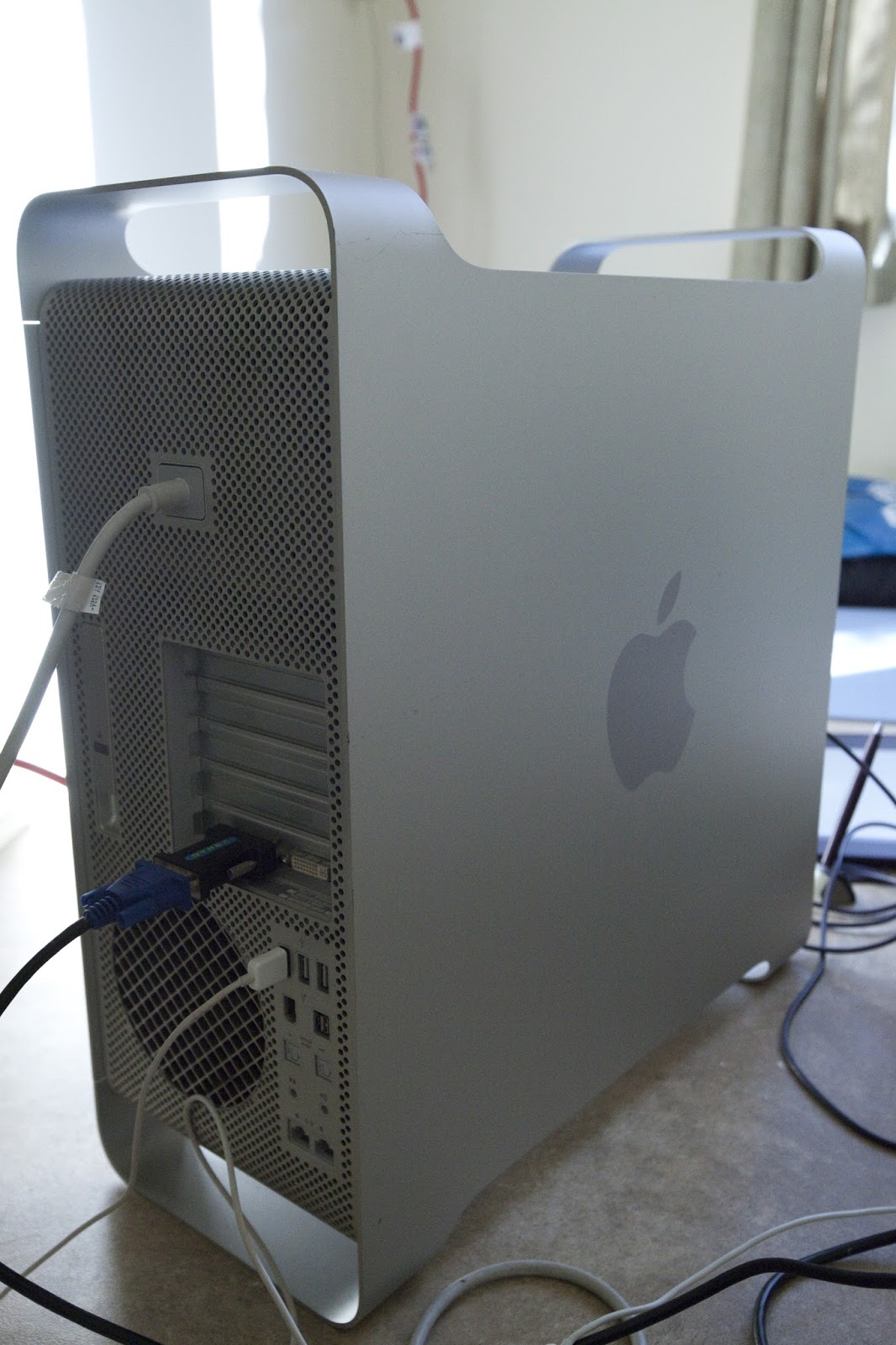
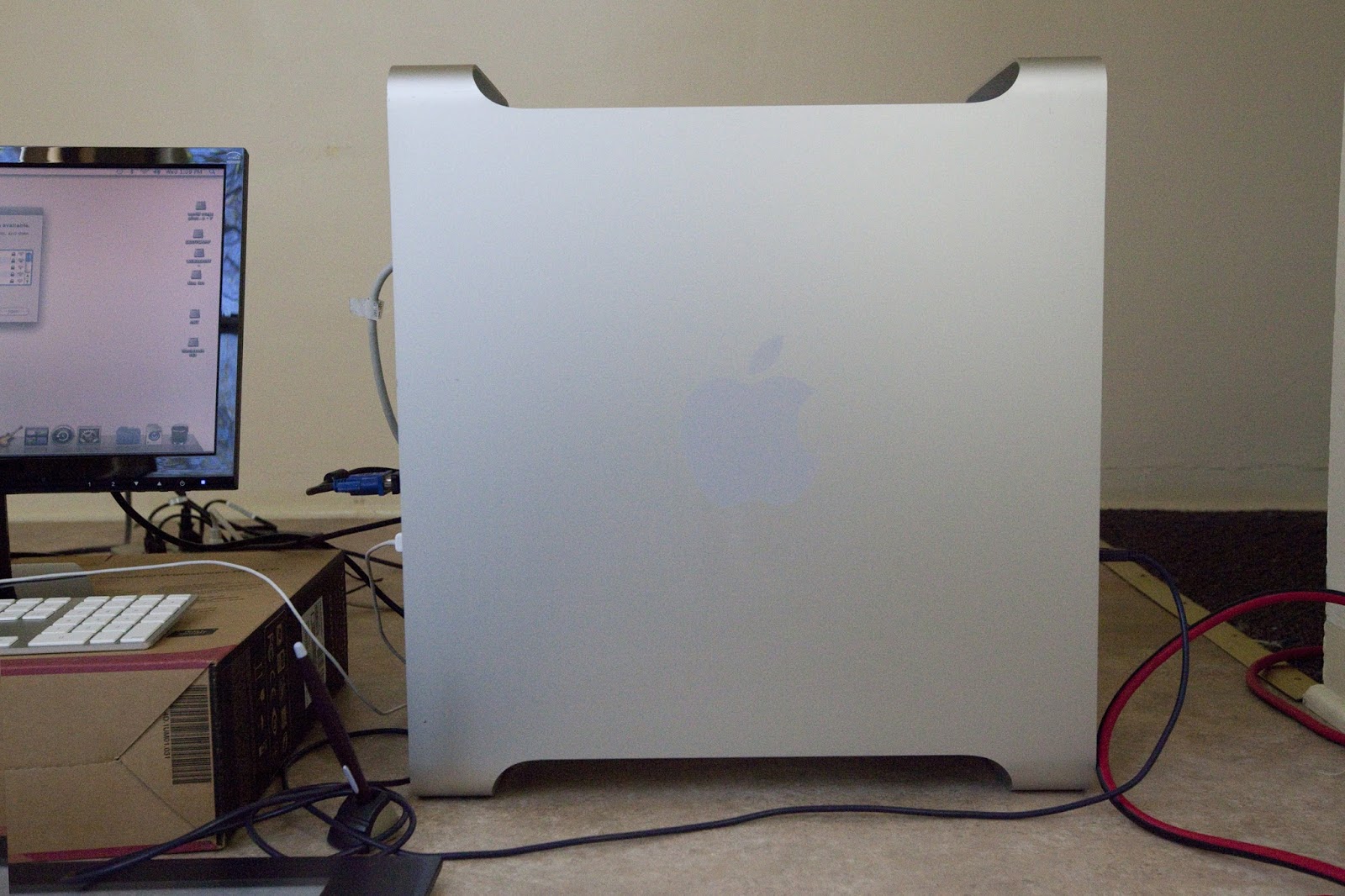
So there is this story where I drove with my Mac Pro on the back seat of my tiny blue Hyundai Accent from Florida to San Francisco. Somewhere in West Texas I started seeing very few cars and many animals on the road. I had stayed at a hotel in a tiny Texas town called Junction the previous night and there were groups of people there with giant SUVs gathered to hunt boar in the hills.
.

.
So there I was trying to make it to the next town with this giant torpedo on the back seat of my car and I remember driving and thinking what would happen if I hit a deer or a boar this Mac is gonna flatten me through the window and shoot me out there towards the hills somewhere. Somewhere between San Antonio and El Paso I saw a giant pile of animal on the road.
Turned out it wasn’t a pile of animals it was a single giant torso in the middle of the highway sliced right down the middle by a passing vehicle. So here I was passing through the valley of a dead animal thinking this could be the end of me. At the next rest area i got out and moved my Mac from the back seat to the passenger seat next to me and we continued the two of us like that together. It is a pretty good companion for a brick and I highly recommend it for long journeys.
.
.
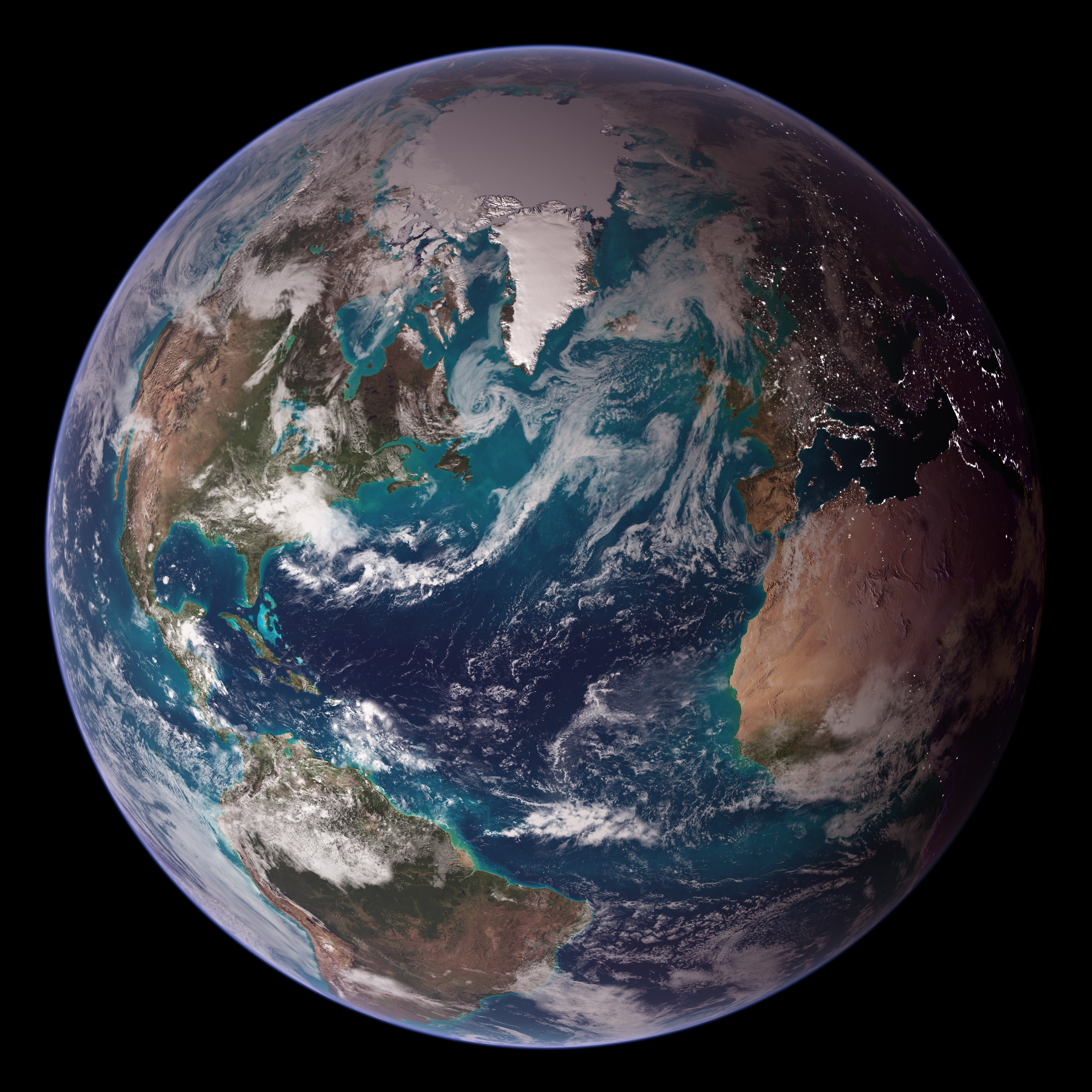
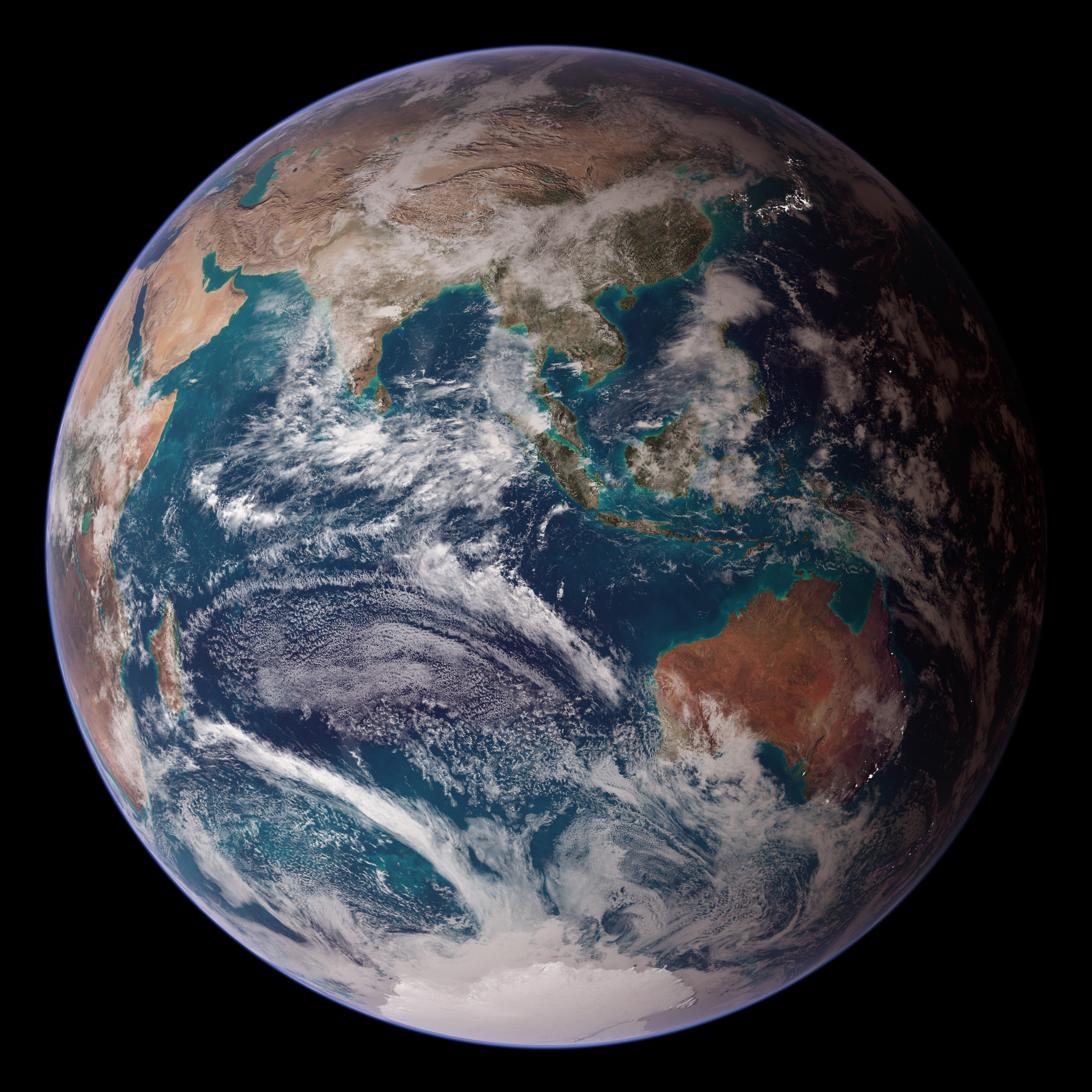
and every human on it is important, every little squirrel, or cat ;), every blade of grass, every little splash matters.
.
.
.
.
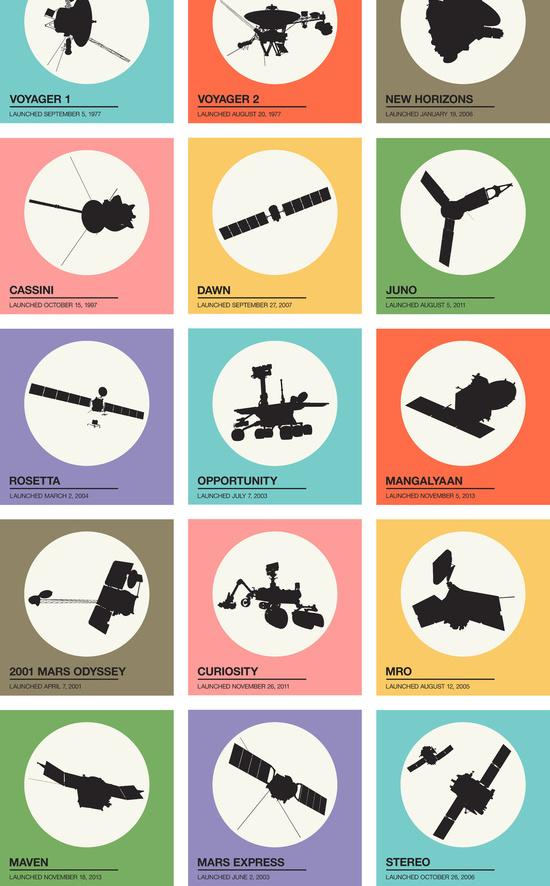
“…catalogs the active human-made machines that freckle our solar system and dot our galaxy.”
.
“We love space probes to the Moon and beyond! Spaceprob.es catalogs the active human-made machines that freckle our solar system and dot our galaxy. For each space probe, we’ve affectionately crafted a short-and-sweet summary as well as handpicked geeky hyperlinks we think are worth exploring. Where possible, we utilize data from the Deep Space Network.”
.